Maida Vale Wedding Flowers Little Venice Ceremony Florist
Posted on 23/05/2026
Maida Vale Wedding Flowers Little Venice Ceremony Florist: A Local Guide to Beautiful Wedding Florals
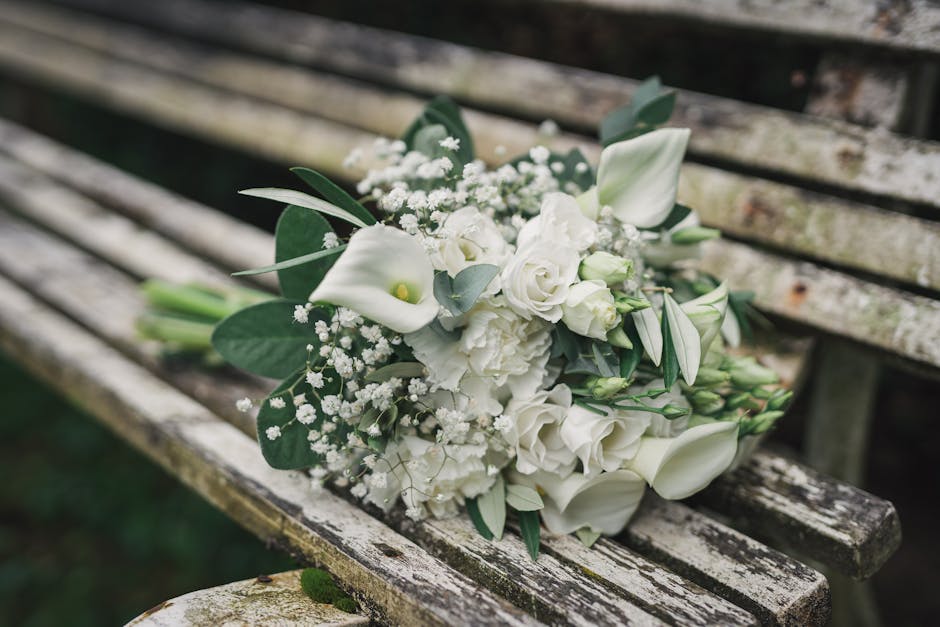
Planning wedding flowers in Maida Vale, or for a ceremony in Little Venice, is one of those jobs that looks simple from the outside and then suddenly becomes surprisingly detailed. You are not just choosing pretty stems. You are shaping the atmosphere of the day: the first impression as guests arrive, the look of the aisle, the tone of the bridal bouquet, and the way the whole room or venue feels in photographs.
If you are searching for Maida Vale Wedding Flowers Little Venice Ceremony Florist support, you are probably after a florist who understands both the practical side and the emotional side. The right choice needs to work with your venue, your schedule, your budget, and your style. It also needs to be dependable, because wedding flowers do not get a second take. In this guide, we will walk through the process clearly, with local, real-world advice you can actually use.
For couples wanting a broader starting point, it can help to look at a dedicated wedding flowers service in Maida Vale alongside the wider range of options from a trusted Maida Vale florist. If timing is tight, the same local team that handles flower delivery in Maida Vale can often help you keep the whole plan organised without the usual last-minute scramble. Truth be told, that peace of mind is worth a lot.
Quick summary: good wedding flowers are not only about design. They are about venue fit, seasonal choices, reliable delivery, and clear communication. Get those right, and everything feels calmer on the day.
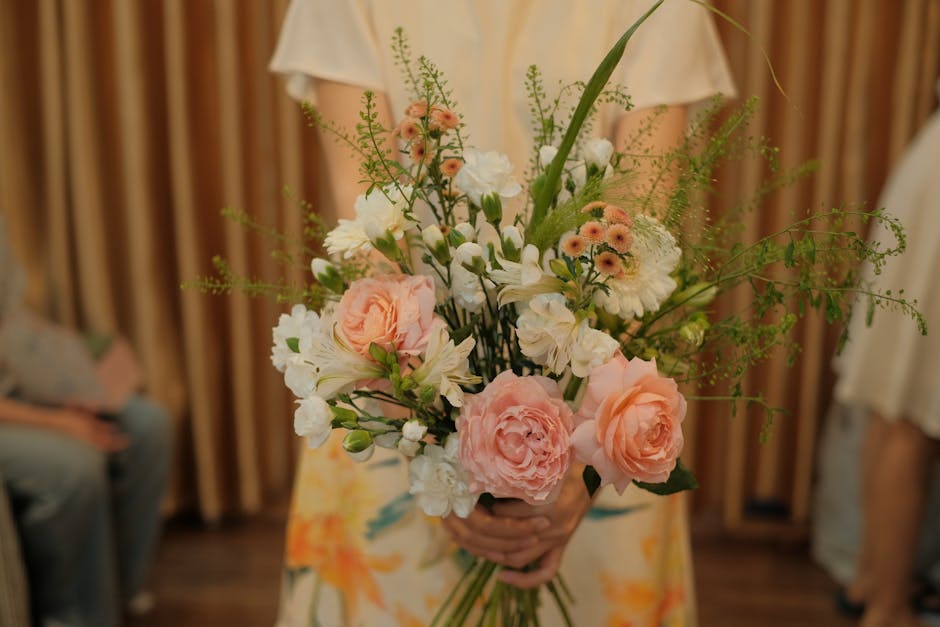
Table of Contents
- Why Maida Vale Wedding Flowers Little Venice Ceremony Florist Matters
- How Maida Vale Wedding Flowers Little Venice Ceremony Florist Works
- Key Benefits and Practical Advantages
- Who This Is For and When It Makes Sense
- Step-by-Step Guidance
- Expert Tips for Better Results
- Common Mistakes to Avoid
- Tools, Resources and Recommendations
- Law, Compliance, Standards, or Best Practice
- Options, Methods, or Comparison Table
- Case Study or Real-World Example
- Practical Checklist
- Conclusion
- Frequently Asked Questions
Why Maida Vale Wedding Flowers Little Venice Ceremony Florist Matters
Wedding flowers do a lot more than fill space. In Maida Vale and Little Venice, where the setting often already has its own charm, flowers need to complement what is there rather than fight it. A ceremony beside the canal, in a church, a boutique hotel, or a private dining room will all call for a different approach. That is where an experienced local florist really earns their keep.
One practical reason this matters is timing. London weddings can be beautifully planned, but they are also often constrained by venue access, parking, and delivery windows. A florist familiar with the area knows to think about access points, loading restrictions, and how much time is needed to place arrangements properly without interrupting the venue team. Small detail? Yes. But these small details are the difference between a smooth morning and a stressful one.
There is also the visual side. Maida Vale tends to suit elegant, softly structured arrangements; Little Venice often leans into romantic, airy, almost painterly designs. Of course, that is not a rule. You can do bold colour, rich texture, or minimalist white. But a florist who understands the local feel can guide you toward designs that look natural in the setting, not pasted on top of it.
Many couples also want flowers that connect the ceremony and the reception in a joined-up way. That could mean using bridal bouquets, bridesmaid bouquets, wedding buttonholes, and wedding table arrangements that all belong to the same visual language. If you are choosing between a few different looks, it helps to start with the venue and then build backwards from there.
And let's face it, the flowers are in a lot of the photos. Guests remember the vibe, but the camera remembers everything.
How Maida Vale Wedding Flowers Little Venice Ceremony Florist Works
Most wedding flower plans follow a fairly similar process, even if the style and scale vary. The difference with a skilled local florist is how clearly each stage is handled. You should expect a conversation, some guidance, and a practical plan rather than a vague promise that everything will "look lovely." Lovely is not a strategy.
It usually starts with an enquiry or consultation. You share the date, venue, ceremony time, colour palette, and rough budget. You may also bring inspiration images, but those are best used as a starting point rather than a strict script. A good florist will interpret your ideas and explain what works seasonally and structurally. That is especially useful for couples who know what they like, but not necessarily what will survive a long ceremony or a warm room.
From there, the florist will typically recommend a floral direction. This might include the bridal bouquet, bridesmaids' bouquets, buttonholes, corsages, aisle arrangements, pedestal pieces, table flowers, or floral accents for the registrar's table. If you want a more cohesive option, you can also look at curated wedding collection designs that bring several pieces together in one style.
After that comes refinement. This is the bit where seasonality, flower shape, colour balance, and budget get discussed properly. White roses and lilies create a different mood from mixed-colour blooms or richer romantic tones. Some couples choose statement flowers; others prefer subtle textures. Both can be beautiful, provided the florist understands the setting and the scale.
Finally, delivery and setup are arranged. For weddings, this matters more than people expect. A bouquet arriving on time is one thing. A full floral setup being positioned correctly, with clean mechanics and no awkward gaps, is another. If you want reassurance around logistics, it is worth checking the florist's wider local service information, including delivery details and their guarantees. Clear expectations make the whole thing feel less risky.
Key Benefits and Practical Advantages
Choosing a florist who understands Maida Vale and Little Venice gives you more than nice arrangements. It gives you practical advantages that can genuinely reduce wedding-day pressure.
- Better venue fit: arrangements can be scaled to suit intimate ceremony spaces or more generous reception rooms.
- Local delivery confidence: fewer surprises around arrival times, access, and setup.
- Clearer design advice: a florist can recommend flowers that work with your season, colour palette, and budget.
- More cohesive styling: ceremony flowers, bouquets, and table pieces can feel connected rather than random.
- Less waste: sensible planning can help you avoid over-ordering on flowers you will barely notice.
- Better photos: the right shapes and colours read well on camera, which matters more than many couples realise.
There is also the emotional benefit. A bouquet that feels right in your hands can settle you a bit before the ceremony. That sounds small, but it really isn't. Brides and grooms often say the flowers are one of the first tangible moments when the day starts to feel real. That moment of calm matters.
If you are weighing cost against value, it is helpful to remember that a wedding florist is not only selling stems. They are managing design judgement, preparation, freshness, timing, and presentation. The cheapest option can end up expensive if it needs fixing, replacing, or reworking at the last minute.
For couples balancing wedding costs carefully, browsing a broader range like luxury flowers alongside more accessible options such as cheap flowers in Maida Vale can help you understand where to spend and where to save. Smart budgeting is not about cutting corners. It is about putting money where it shows.
Who This Is For and When It Makes Sense
This kind of service is for anyone planning a ceremony or wedding celebration in or around Maida Vale and Little Venice who wants the flowers to feel intentional. That includes couples booking a small registry-style ceremony, a church service, a civil ceremony, a reception with table centrepieces, or even a simple elopement with a bouquet and buttonholes only.
It also makes sense if you are planning from outside the area. London weddings often involve a lot of moving parts, and local knowledge saves time. If you are not nearby, you may not know which flower choices travel best, what the venue access is like, or how much setup time is realistic. A good local florist can quietly fill in those gaps.
These services are especially useful when:
- the ceremony is in a venue with restricted access or tight turnaround times
- you want a floral style that matches an already distinctive room or chapel
- the wedding date is close and you need a clear plan quickly
- you want one florist handling several items rather than juggling multiple suppliers
- you are blending cultural traditions, colours, or family expectations into the floral design
Some couples only need a handful of pieces. Others want the whole thing, from bridal bouquet to table flowers and thank-you gifts for the wedding party. If you are somewhere in the middle, that is completely normal. Most weddings are. Not every celebration needs a grand floral parade down the aisle.
It is also worth saying that wedding flowers are not only for the wedding itself. They can become gifts, table decor, or keepsakes after the ceremony. That makes them feel more meaningful and less like a one-day expense. A florist who offers options across their wider range, including bridal bouquets and bridesmaid bouquets, can help you build that continuity.
Step-by-Step Guidance
- Start with the venue and ceremony format. Is it a church, a hotel room, a waterside ceremony, or a reception venue with a separate aisle area? The room tells you what kind of scale you need.
- Choose the mood before the flowers. Do you want romantic, classic, fresh, modern, dramatic, or soft and understated? Picking the mood first makes decisions easier.
- Set a realistic budget early. A florist can do much more with a clear figure than with a vague "we don't know yet." Even a broad range is helpful.
- Gather a few inspiration images. Keep them focused. Three to five strong references are better than twenty random screenshots.
- Ask what is seasonal. Seasonality affects texture, colour, freshness, and price. It also affects how convincing the final look feels.
- Confirm the key items first. Bridal bouquet, bridesmaid bouquets, buttonholes, ceremony flowers, and table arrangements are the usual starting points.
- Check delivery and setup logistics. Ask how the flowers will arrive, who will place them, and what happens if access is delayed.
- Review the final order carefully. Names, quantities, delivery details, and colours should all be right before the wedding week.
- Share any last-minute changes quickly. If the table layout or ceremony timing shifts, the florist needs to know early.
- Plan for after the ceremony. Decide whether flowers will move to the reception, be gifted, or be taken home.
A useful shortcut is to think in layers. First layer: personal flowers. Second layer: ceremony statement pieces. Third layer: reception styling. That structure keeps you from overspending on one area while forgetting another. It happens more often than people think.
Expert Tips for Better Results
Here is where a bit of experience saves you money and stress. Small choices can improve the final result more than a dramatic upgrade that does not quite fit the space.
1. Match the arrangement style to the venue geometry. A narrow aisle, low ceiling, or intimate table plan needs lighter, more compact work. Tall pieces can be beautiful, but only if the space can hold them.
2. Think about how flowers behave in photos. Some blooms are brilliant in person but can disappear in bright daylight or flash photography. Good structure, contrast, and clean colour balance help the flowers read well on camera.
3. Use one or two hero flowers, not five. Simplicity often looks more expensive than a crowded mix. A bouquet built around roses, lilies, or a refined mixed palette can feel elegant without trying too hard.
4. Keep one practical backup option in mind. Weather, travel delays, and venue changes happen. A florist should be able to suggest a substitution plan if a certain bloom is unavailable.
5. Do not ignore scent. Some couples love fragrance; others find it overwhelming in a ceremony setting. This is particularly worth thinking about if the room is small or the service is long.
6. Ask for transition-friendly flowers. If the ceremony flowers will later move to the reception, choose designs that still look composed after a room change. It is a small thing, but very handy.
7. Bring your broader event life into the brief. If flowers are also being ordered for anniversaries, birthdays, or family occasions, the florist can often help keep colours or styles consistent. A local team that handles birthday flowers in Maida Vale and even sending flowers locally usually has a good feel for varied occasions and can translate that experience into your wedding brief.
One more thing: trust your florist when they suggest a swap that improves the design. They are not trying to change your wedding. They are usually trying to stop one awkward stem from ruining a very nice idea. Happens all the time. A bit of humility in the process goes a long way.
Common Mistakes to Avoid
Wedding flowers go wrong most often for reasons that are avoidable. Not dramatic disasters, just a series of little assumptions that stack up.
- Booking too late: popular dates fill up quickly, especially for local delivery and setup.
- Choosing only from inspiration photos: a bouquet that looks beautiful on Pinterest may not suit your venue, season, or budget.
- Underestimating setup time: ceremony flowers often take longer to place than people expect.
- Forgetting buttonholes and corsages: these are easy to miss, but they matter in the finished look.
- Ignoring the reception space: some couples focus only on the bouquet and then realise the tables feel plain.
- Overcrowding the palette: too many colours can make the design lose its shape and calm.
- Not checking access details: the best design still needs to get through the door on time.
Another surprisingly common mistake is asking for too many contradictory things at once: bold but soft, luxurious but tiny, seasonal but specific to a flower that is not in season. A good florist can balance those wishes, but the brief needs some breathing room. Otherwise the plan starts to wobble a bit.
If you are unsure, it is usually better to simplify than to overcomplicate. Wedding flowers should feel like they belong to the day, not like they are competing for attention.
Tools, Resources and Recommendations
Good planning is easier when you use the right resources. You do not need a full design studio on your kitchen table, just a few sensible tools and references.
- Venue photos: especially the ceremony room, entrance, and tables.
- Colour references: fabric swatches, bridesmaid dress images, suit tones, or invitation artwork.
- Budget notes: a rough ceiling and a priority list.
- Flower care guidance: useful if you want bouquets and arrangements to stay fresh for longer. The site's flower care guide is a practical starting point.
- Delivery information: always confirm timings and access. The delivery page is worth reviewing early.
- About and trust pages: if you are choosing between suppliers, read the florist's about us, returns and refund, and privacy policy pages so you know how they work.
For the actual floral selection, a few product ranges are especially useful when planning weddings: roses for classic romance, lilies for elegance, and mixed arrangements when you want texture and movement. If you want something more contemporary, explore options like mixed colours or the broader all flowers selection for inspiration.
It can also help to look at related occasion ranges, not because you are buying birthday flowers for your wedding, obviously, but because the design language across a florist's site tells you a lot about their style range. Someone who can handle engagement flowers, romantic designs, and formal arrangements is usually better placed to tailor wedding work too.
Law, Compliance, Standards, or Best Practice
For wedding flowers, there is no special legal hoop that couples generally need to jump through just to order arrangements. Still, there are some sensible best practices that matter in the UK, particularly around consumer clarity, delivery, and trust.
First, make sure the florist clearly explains what is included in the price. That means the flowers themselves, any design work, mechanics, delivery, and setup where applicable. If something is extra, it should be made clear before you commit. That is standard good practice and helps avoid misunderstandings later.
Second, check how substitutions are handled. Seasonal availability can change quickly, and reputable florists will normally reserve the right to substitute flowers of equal style and value if needed. That is normal. What matters is how clearly that is communicated.
Third, review policies around delivery, cancellations, and refunds. Weddings are time-sensitive, so you want the rules in writing. A trustworthy florist will be transparent about timing and any limitations. If you want to understand those details, pages such as terms and conditions, returns and refund, and payment are worth a careful read.
Best practice also includes sustainability and responsible sourcing where possible. You do not need to turn the wedding into a policy seminar, but many couples do care about waste, packaging, and seasonality. If that matters to you, a florist's sustainability information can help you see how they approach it.
Finally, accessibility matters. If a venue has access needs, or if any guests require a more considerate layout, the floral plan should support that rather than obstruct it. That may sound obvious, but it is easy to miss in the rush.
Options, Methods, or Comparison Table
There is no single right way to approach wedding flowers. The best method depends on your priorities. Here is a simple comparison that often helps couples decide where to focus.
| Approach | Best for | Advantages | Watch-outs |
|---|---|---|---|
| Bridal bouquet only | Elopements, registry ceremonies, very small weddings | Focused budget, simple planning, easy transport | Less visual impact in the venue itself |
| Bouquet plus buttonholes | Small to medium weddings | Complete personal flower look, polished in photos | May feel minimal if the ceremony room is large |
| Ceremony flowers only | Couples prioritising the aisle or altar area | Strong visual focus where guests look first | Reception may need separate styling |
| Full ceremony and reception package | Weddings wanting a unified look throughout | Cohesive styling, strong impact, easier colour control | Needs more planning and usually a higher budget |
| Seasonal florist choice | Couples open to expert-led design | Often best value, fresher combinations, less decision fatigue | Less control over exact flower types |
If you are unsure, seasonal florist choice is often a smart middle ground. It allows the florist to work with what looks best at the time rather than forcing a design around one fixed stem. Couples sometimes worry that means losing control, but usually the opposite happens. The result feels more balanced and more natural.
Case Study or Real-World Example
Here is a realistic example. A couple planned a late-spring ceremony near Little Venice and wanted something "elegant but not too formal." Their venue had soft light, pale walls, and a fairly narrow ceremony space. They initially wanted large dramatic arrangements in deep colours, but once the florist saw the room, the advice changed.
Instead of heavy statement pieces, the florist suggested a lighter palette with roses, lisianthus, and subtle texture from mixed greenery. The bridal bouquet was full but not oversized, the bridesmaids carried smaller matching designs, and the buttonholes kept the same tone without looking fussy. Table arrangements were kept low so guests could talk easily across the table. Simple enough. But it worked.
What made the difference was not just the flowers. It was the decision-making. The florist considered access times, what would photograph well in natural daylight, and how the arrangements would feel once the guests were seated. The couple ended up with a calm, coherent look that suited the space better than their first idea would have.
That kind of adjustment is exactly why local knowledge matters. A florist who understands wedding work in Maida Vale and Little Venice is not just making pretty bouquets. They are quietly solving the problems you have not yet noticed.
Practical Checklist
- Confirm ceremony date, time, and venue address
- Check access, parking, and delivery windows
- Set a clear flower budget
- Choose the main floral mood: classic, romantic, modern, soft, or bold
- Gather a few inspiration images
- Decide on bridal bouquet, bridesmaid bouquets, and buttonholes
- Consider table flowers and any ceremony focal points
- Ask about seasonal substitutions
- Confirm setup responsibilities
- Review all order details before the wedding week
- Share the florist's contact details with a key wedding helper
- Plan what happens to the flowers after the ceremony
If you tick all of those off, you are in good shape. Not perfection. Just good shape, which is what most wedding planning really aims for.
Conclusion
Choosing Maida Vale wedding flowers for a Little Venice ceremony is about more than style. It is about making the day feel coherent, calm, and unmistakably yours. The best florist will help you balance the visual side with the practical side, so the flowers arrive, sit beautifully in the space, and carry through the whole celebration without fuss.
If you take one thing from this guide, let it be this: start with the venue, decide the mood, and then build the flowers around real-world needs. That approach saves time, money, and quite a bit of stress. And it gives the florist a proper brief to work with, which always helps.
For couples comparing local options, it can be useful to look at the wider service range, from flower shops in Maida Vale to specialist wedding arrangements and reliable local delivery. If you want flowers that feel thoughtful rather than rushed, that local grounding makes a real difference.
Get a free quote today and see how much you can save.
When the flowers are right, the room softens, the photos lift, and the day just feels easier. That is the quiet magic people remember.
Frequently Asked Questions
What should I ask a Maida Vale wedding florist before booking?
Ask about availability, what is included in the quote, seasonal substitutions, delivery timing, setup, and how the florist handles any venue access issues. Those are the questions that prevent surprises later.
How far in advance should I book wedding flowers in Little Venice or Maida Vale?
For popular wedding dates, earlier is better. Many couples book several months ahead, especially if they want a custom design or a full ceremony and reception package. If your date is close, ask anyway. Sometimes there is still a workable option.
Can a florist help if I only need a bouquet and a few buttonholes?
Yes. A good wedding florist can scale the service right down. Small ceremonies often look best when the flowers are focused rather than overdone.
Which flowers work best for a London ceremony?
Roses, lilies, lisianthus, alstroemeria, and mixed seasonal arrangements are all popular because they travel well and look elegant in different venue styles. The best choice still depends on season, colour palette, and the feel of the room.
Do I need ceremony flowers and reception flowers to match exactly?
No. They should feel connected, but not identical. Often it is better to use the same colour family or flower type and vary the scale, so the design feels thoughtful rather than repetitive.
How can I keep wedding flowers within budget?
Focus on the items guests will see most: the bouquet, key ceremony flowers, and the table arrangements closest to the main seating area. Using seasonal flowers and simplifying the palette also helps keep costs under control.
What happens if a flower I want is out of season?
A florist will usually suggest a seasonal alternative that gives a similar shape, colour, or texture. This is standard practice and often leads to a fresher final result.
Can wedding flowers be reused after the ceremony?
Yes, often they can. Ceremony pieces can move to the reception, table flowers can be taken home by guests, and bouquets can become keepsakes. It is worth asking the florist to plan for that from the start.
How do I know if a florist understands my venue?
Listen to the questions they ask. If they ask about access, timings, room size, and layout, that is a strong sign they are thinking practically. A florist who only talks about flower names and not the space itself may not be the best fit.
Is it better to choose a florist choice bouquet or a fully specified design?
If you have a very clear visual brief, a fully specified design may suit you. If you are open to expert guidance and want the best seasonal value, florist choice can be a smart option. Both can work well.
Can I order wedding flowers if I am planning from outside London?
Absolutely. Many couples organise their flowers remotely. Just make sure the florist has full delivery details, venue information, and a clear point of contact for the wedding day.
What is the biggest mistake couples make with wedding flowers?
Usually it is overcomplicating the brief or underestimating logistics. Beautiful flowers need a workable plan behind them. Once the practical side is sorted, the creative side becomes much easier.
Do I need to worry about sustainability when ordering wedding flowers?
If sustainability matters to you, ask how the florist sources flowers, manages packaging, and reduces waste. Many couples now want a greener approach where possible, and that is a sensible conversation to have early.