Case Study Maida Vale Wedding Bouquet Before and After
Posted on 27/09/2026
If you are planning a wedding in West London, the bouquet can look like a small detail on paper and a very big deal in real life. That first look, the feel in your hands, the way it ties the whole outfit together - it matters more than people expect. This Case Study Maida Vale Wedding Bouquet Before and After explores how a bridal bouquet can be refined from an early concept into a final design that feels balanced, elegant, and right for the day.
Truth be told, most couples do not start with a perfect bouquet idea. They start with a feeling: romantic, modern, classic, maybe a little understated, maybe full of drama. The before-and-after approach is useful because it shows what changes actually make a bouquet work better in practice, not just in a mood board. You will see why shape, flower choice, colour balance, and proportion can completely change the result. And yes, the difference can be surprisingly subtle until you put the two versions side by side.
For brides, planners, and anyone comparing wedding flower options, this kind of case study is a practical way to judge quality. It also helps when you are browsing wedding arrangements or thinking about how your bouquet should sit alongside bridesmaid flowers, buttonholes, and table styling. If you want to understand the process properly, this guide will walk you through it step by step, with clear takeaways you can use straight away.
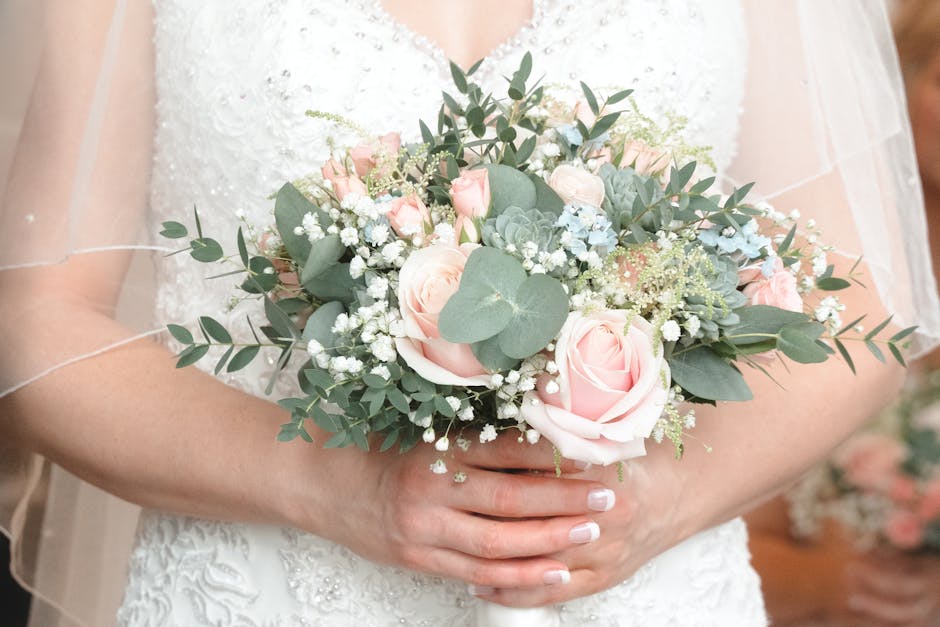
Table of Contents
- Why Case Study Maida Vale Wedding Bouquet Before and After Matters
- How Case Study Maida Vale Wedding Bouquet Before and After Works
- Key Benefits and Practical Advantages
- Who This Is For and When It Makes Sense
- Step-by-Step Guidance
- Expert Tips for Better Results
- Common Mistakes to Avoid
- Tools, Resources and Recommendations
- Law, Compliance, Standards, or Best Practice
- Options, Methods, or Comparison Table
- Case Study or Real-World Example
- Practical Checklist
- Conclusion
- Frequently Asked Questions
Why Case Study Maida Vale Wedding Bouquet Before and After Matters
A bouquet is not just a bunch of flowers held together for photographs. It sits at the centre of the bridal look, often becoming one of the most photographed items of the day. In a place like Maida Vale, where weddings may lean stylish, intimate, and detail-driven, the bouquet often needs to do a lot of quiet work. It must suit the dress, the venue, the season, and the mood, all at once. Not a small ask, really.
The value of a before-and-after case study is that it shows the decision-making behind the final design. You can see what was simplified, what was emphasised, and what was removed. That matters because many people fall in love with a bouquet style without considering how it will look in daylight, in the hand, or against the fabric of a dress. A bouquet can look lush in a photo and still feel awkward if it is too heavy, too tight, or too large for the person carrying it.
This kind of analysis is also useful for setting expectations. Wedding flowers are handcrafted, seasonal, and sensitive to timing. A strong florist will be thinking about flower heads, stem strength, water access, transport, and how the bouquet will hold up from morning preparations through to the last dance. If you understand the before and after process, you are better placed to ask sensible questions and make calm decisions. And calm helps. Honestly, more than people admit.
For those comparing options across the area, it can also help to look at broader wedding flower styles and collections, such as wedding flowers for the full day or a more focused bridal bouquet selection. That gives you a fuller sense of how one bouquet sits within the whole event design.
How Case Study Maida Vale Wedding Bouquet Before and After Works
The before-and-after process is simple in theory, though the details matter. The "before" is usually the starting concept: a reference image, a colour idea, a flower preference, or a rough arrangement assembled from what is available. The "after" is the refined bouquet, shaped by experience, mechanics, and practical wedding use. The transformation may involve only a few changes, but those changes can completely improve the end result.
In a wedding floristry context, the work usually follows a few key stages:
- Understanding the brief - style, colour palette, dress shape, venue, and the feeling the couple wants.
- Selecting suitable flowers - choosing blooms that match the season, availability, and durability needs.
- Refining the structure - balancing height, width, and shape so the bouquet sits comfortably.
- Adjusting colour and texture - softening harsh contrasts or adding depth where the design feels flat.
- Testing the finish - making sure the bouquet photographs well and is manageable to carry.
That final point is easy to overlook. A bouquet can be technically beautiful and still not feel right in the hand. In our experience, the best wedding bouquets are the ones that look effortless even though they have been carefully built. You do not want it wobbling about like a shopping bag of roses. Nobody wants that.
When the florist revises the design, the before-and-after changes often involve more than just replacing one flower with another. Stem length, bloom opening stage, greenery placement, and the ribbon finish all shape the final impression. One small tweak can make a bouquet feel more elegant, more expensive-looking, or simply more in tune with the bride's style.
Key Benefits and Practical Advantages
There are several practical reasons why a before-and-after bouquet case study is worth your time. It is not just pretty content. It is decision support, plain and simple.
- Better visual balance: The final bouquet usually sits more comfortably with the dress and the overall bridal silhouette.
- Improved photography: A carefully adjusted bouquet tends to read better in close-up shots, during the ceremony, and in group photos.
- More practical handling: A refined design is often lighter, easier to hold, and less likely to obstruct the bride's posture.
- Seasonal realism: The bouquet is more likely to use flowers that are genuinely available and in good condition on the wedding date.
- Clearer expectations: Seeing the changes helps couples understand what their florist can and cannot do with a brief.
- Better value: Sometimes the smartest change is not adding more flowers, but using the right flowers in the right way.
There is also a confidence benefit. When a bride sees how a concept improves after expert adjustment, it becomes much easier to trust the process. That trust matters when the planning starts to feel noisy. Let's face it, wedding decisions multiply quickly. A bouquet example that shows the logic behind the final result can cut through the noise.
If you are comparing bouquet styles, it can help to look at products such as luxury flower arrangements or a softer option like Pure Elegance bouquet. Seeing a range helps you understand where your own taste sits on the spectrum.
Who This Is For and When It Makes Sense
This topic is useful for a few different kinds of readers. You might be a bride in the middle of planning, a partner trying to make helpful decisions without stepping on toes, or a wedding planner who needs to explain the value of professional floristry to a client. It also suits anyone who likes to compare before-and-after transformations before ordering bespoke flowers.
It makes sense especially when:
- you have a loose idea for your bouquet but not a fully developed design
- you are trying to match flowers to a specific wedding dress or theme
- you want to avoid a bouquet that looks too busy or too plain
- you need flowers that will hold up through transport, photos, and the ceremony
- you are comparing bridal bouquet styles and want something that feels bespoke, not generic
It is also helpful for smaller weddings where the bouquet has to carry a lot of the visual weight. In a more intimate setting, one bouquet can really define the tone. That is especially true in London weddings where the venue may already have strong character and the flowers need to complement rather than compete.
If you are building a wider floral plan, you may also want to explore bridesmaid bouquet options and wedding buttonholes so everything feels coordinated without becoming too matchy-matchy. Subtle coordination usually wins.
Step-by-Step Guidance
Here is the practical process behind a strong bouquet transformation. You do not need to be a florist to understand it, but it helps to know what good work looks like.
1. Start with the bride's style, not the flower list
The best starting point is not "I want peonies and roses." It is more like: soft, romantic, modern, structured, airy, classic, or dramatic. The style should drive the flower choices. Otherwise the bouquet can become a random mix of nice things. Nice things, but random.
2. Check the dress neckline and fabric
A bouquet should sit comfortably against the bride's outfit. A big cascading design can overwhelm a simple slip dress, while a tiny posy can feel lost against a full ballgown. The before-and-after change often happens here: the first idea may be pretty, but the revised version aligns better with the dress lines.
3. Choose flowers for both beauty and durability
Some flowers are naturally more robust than others. A good florist will think about how the bouquet will travel, how long it needs to stay fresh, and how much handling it will get. In a wedding setting, looks matter, but stamina does too. There is no glamour in wilted edges by 3 p.m.
4. Refine the proportions
This is where the real magic happens. A bouquet can be adjusted to look more open, more refined, more compact, or more balanced. Stems can be lifted or trimmed. Blooms can be repositioned. Greenery can be reduced if the original version feels too heavy. Tiny changes, big difference.
5. Finish with a clean hand-tied style
The finishing ribbon, binding point, and stem length all matter. A well-finished bouquet feels secure and elegant. It should look intentional from every angle, not only from the front. The back of the bouquet gets photographed too, especially in those candid moments while someone is laughing near the church doorway or stepping into a cab.
6. Review in real light
Colours can shift in daylight, indoors, and under evening lighting. A bouquet that looks rich and warm in the shop may feel slightly different in the venue. Good before-and-after work takes that into account so the final result still feels right once the ceremony begins.
Expert Tips for Better Results
If you want a bouquet that really lands well on the day, a few expert habits make a big difference.
- Bring fabric swatches or dress photos: This helps the florist judge tone, softness, and scale properly.
- Be honest about your comfort level: If you do not want a heavy bouquet, say so early. Weight changes everything.
- Keep colour palettes tight: Two or three core tones usually create a stronger result than five or six competing shades.
- Think about the venue background: A bouquet needs to stand out against the ceremony setting and photos.
- Ask how flowers will open: Some blooms look quite different on the day than they do at the design stage.
- Leave room for professional judgment: If a florist suggests a substitution, it is often because they are protecting the final quality.
One small but useful tip: if you have fallen in love with a very specific flower, ask how it behaves in a wedding bouquet rather than assuming it will suit every design. Beautiful flowers can still be the wrong flowers for the job. Bit annoying, but true.
For general upkeep after the bouquet is delivered, a flower care guide can help keep the arrangement fresh for the full wedding schedule. You can also review flower care guidance so you know what to do before the ceremony starts.
Common Mistakes to Avoid
Before-and-after case studies are especially useful because they reveal what not to do. Here are the mistakes that show up again and again.
- Overloading the bouquet: Too many flower types can make the design feel cluttered and unfocused.
- Ignoring scale: A bouquet that looks lovely on a table may look oversized in the bride's hand.
- Choosing flowers only by appearance: Durability and seasonality matter just as much.
- Forgetting the dress: The bouquet should work with the gown, not fight it.
- Leaving the decision too late: Last-minute changes can limit choice and increase stress.
- Not asking about substitutions: Weather and supply can affect what is available, especially with delicate blooms.
Another common slip is being too rigid with a reference photo. Inspiration is great, but copy-paste floristry rarely works in real life. The bouquet needs to suit the actual bride, the actual venue, and the actual season. Otherwise it becomes style without sense. And sense matters.
If you are planning a wider wedding flower order, it may help to review wedding table arrangements too, because the bouquet should feel part of the same visual language rather than a separate idea altogether.
Tools, Resources and Recommendations
You do not need specialist software to plan a bouquet well, but a few practical tools make the process smoother.
- Photo references: Use clear pictures of bouquets you genuinely like, not a giant folder of unrelated ideas.
- Dress images or fabric samples: Useful for matching softness, tone, and size.
- Wedding schedule: Helps the florist judge when the bouquet needs to be prepared and delivered.
- Colour notes: A simple written palette can prevent misunderstandings.
- Backup preferences: If a specific bloom is unavailable, know which alternatives you would still be happy with.
For couples wanting a broader view of the brand and what it offers, the about us page is helpful background. If you want to understand the company's delivery approach, the delivery information page is also worth a look. Those details can make planning feel a lot more grounded.
For wedding-specific purchases, some couples also prefer to review gift or add-on options, especially if flowers are being delivered alongside something else. If that is you, the wedding gifts category can be useful, though of course it depends on how you are organising the day.
Law, Compliance, Standards, or Best Practice
Wedding floristry is not a heavily regulated area in the way some industries are, but there are still important standards and best practices to follow. In the UK, reputable florists should be clear about what they can deliver, how orders are handled, and what happens if there is an issue. That is less about red tape and more about professionalism.
From a customer point of view, you should expect clarity on:
- product descriptions and what is included
- delivery timing and any limitations around wedding schedules
- payment terms and order confirmation
- refund or replacement policies where applicable
- data handling if you are sharing personal details for the booking
It is also sensible to check whether a florist has a clear sustainability approach, especially if you care about sourcing and packaging. Many couples do. For a bit more context, you can review the site's sustainability statement as part of your wider decision-making.
Best practice for wedding flowers also includes practical care: cool storage, careful transport, sensible handling, and clear delivery instructions. If you need to read the terms around a purchase, the terms and conditions and returns and refund information can help set expectations. Not exciting, perhaps, but useful.
Options, Methods, or Comparison Table
Different bouquet approaches create very different results. Here is a simple comparison to help you see what changes in a before-and-after design, and why those changes matter.
| Approach | What it tends to look like | Practical strengths | Possible drawback |
|---|---|---|---|
| Loose, airy bouquet | Soft, romantic, less structured | Feels natural and modern, photographs gently | Can look untidy if not balanced well |
| Compact hand-tied bouquet | Neat, controlled, elegant | Easy to carry and suits many dress styles | May feel too small if the dress is highly dramatic |
| Statement bouquet | Bolder, fuller, more eye-catching | Strong visual impact for photos and entrances | Can overpower petite frames or simple gowns |
| Refined bespoke bouquet | Tailored to the bride's style and proportions | Usually the best fit overall | Requires more consultation and judgment |
In a before-and-after context, the refined bespoke bouquet is often the end goal. It is not about making it bigger. It is about making it better. That subtle shift in thinking is often what separates an average wedding bouquet from one that feels genuinely right.
Case Study or Real-World Example
Here is a realistic example of how a Maida Vale wedding bouquet can change between the first idea and the final version.
Before: The initial concept was a soft bridal bouquet with mixed pastel tones, a fair amount of greenery, and several different bloom types. On paper, it felt romantic. In practice, it risked looking a little too busy for the bride's slim satin gown and understated veil. The structure was also slightly loose, which meant it could have drifted into a shapeless look in photographs.
After: The bouquet was refined into a cleaner hand-tied design with better spacing, a more focused colour palette, and slightly larger focal blooms to anchor the shape. The greenery was reduced so the flowers could breathe visually. The ribbon finish was softened to match the gown rather than compete with it. The result felt calmer, more polished, and much easier to carry through the day.
The key lesson here is simple: the best bouquet is not always the one with the most flowers. It is the one that feels intentional. When someone sees it from across the room, then up close, then in a photo at 6 p.m. with the light dipping, it should still hold together. That is the real test.
For couples wanting to explore styles with similar polished finishes, options such as The Perfect Match bridal bouquet or Sincerely Yours bridal bouquet can be useful reference points. They show how a bouquet can feel coherent without looking overworked.
One small real-world observation: when a bouquet is right, the bride usually stops adjusting it. She just holds it naturally. That sounds tiny, but it is a good sign. A very good sign.
Practical Checklist
Before you confirm your wedding bouquet, run through this quick checklist. It saves stress later, and let's be honest, every little bit helps.
- Do you have a clear style direction: romantic, modern, classic, or airy?
- Have you shared dress photos or fabric swatches?
- Is the colour palette simple enough to feel cohesive?
- Have you thought about bouquet size in relation to your frame?
- Do the flowers suit the season and likely availability?
- Have you asked about substitutions if certain blooms are unavailable?
- Do you know how the bouquet will be delivered and kept fresh?
- Have you matched the bouquet to bridesmaid flowers and buttonholes if needed?
- Is the ribbon or finishing detail consistent with the rest of the wedding styling?
- Have you reviewed the florist's order, delivery, and policy pages?
If you can tick most of those off, you are in a strong position. If not, that is fine too. Better to pause now than regret the shape later when the confetti has already been thrown.
Get a free quote today and see how much you can save.
Conclusion
A good Case Study Maida Vale Wedding Bouquet Before and After is more than a pretty comparison. It is a practical window into how thoughtful wedding floristry works in real life. The best transformations are usually not dramatic for the sake of drama. They are precise, calm, and sensitive to the bride, the dress, the venue, and the day itself.
If you remember only one thing, make it this: bouquet design is about balance. Balance between style and practicality. Between beauty and handling. Between your vision and the reality of the flowers available. When those pieces come together, the result feels easy, and that ease shows in every photo. Which is exactly what you want, really.
And if you are still deciding, that is completely normal. Take your time, trust the process, and let the bouquet become one of the quiet strengths of the day. Little details have a funny way of becoming the memories you keep.
Frequently Asked Questions
What does "before and after" mean in a wedding bouquet case study?
It means comparing the original bouquet concept with the refined final version. The purpose is to show what changed, why it changed, and how the improvements affected the overall look and usability.
Why is a Maida Vale wedding bouquet case study useful?
It helps couples understand how a bouquet is shaped for real weddings in the area, not just in inspiration photos. You get a clearer sense of proportion, style, and practical finish.
How do I know if my bouquet needs refining?
If it feels too large, too busy, too flat, or does not match the dress or venue, it probably needs refining. A florist can usually spot these issues early and suggest sensible adjustments.
Should the bouquet match the bridesmaid flowers exactly?
Not necessarily. It usually works better when the bouquet complements the bridesmaids' flowers rather than matching them exactly. A shared colour family is often enough.
What flowers work best for a bridal bouquet?
That depends on the season, the style of the dress, and how long the bouquet needs to last. Roses, lilies, lisianthus, hydrangeas, and seasonal mixed blooms are common choices, but the best option varies case by case.
How far in advance should I discuss my wedding bouquet?
As early as possible, especially if you want a specific style or seasonal flowers. Early planning gives you more flexibility and helps avoid last-minute compromises.
Can I use a reference photo from another wedding?
Yes, absolutely. Reference photos are very helpful. Just remember that your bouquet should be adapted to your own dress, colours, and wedding setting rather than copied exactly.
What makes a bouquet look expensive or high-end?
Usually it is the shape, proportion, spacing, and finish rather than the number of flowers. A controlled palette, clean mechanics, and thoughtful ribbon finishing can make a bouquet feel more polished.
How do I keep my bouquet fresh on the wedding day?
Keep it cool, avoid leaving it in direct sun, and follow any care instructions given by the florist. If the bouquet is delivered early, store it carefully and handle it gently before the ceremony.
Are bespoke wedding bouquets worth it?
For many couples, yes. A bespoke bouquet is designed around your dress, your colours, and your preferences, so it usually feels more personal and more flattering than an off-the-shelf option.
What should I ask a florist before ordering?
Ask about flower availability, substitutions, size, delivery timing, care instructions, and what is included in the price. Those questions make the whole process clearer and help avoid awkward surprises.
Can I order the bouquet with other wedding flowers?
Yes. Many couples order bridesmaid bouquets, buttonholes, table arrangements, and corsages together so the styling feels coordinated. That usually makes planning simpler too.
What if the exact flowers I want are unavailable?
A good florist will suggest close alternatives that keep the design style intact. This is common with weddings, especially when seasonal flowers are involved. The aim is to protect the overall look, not force a weak substitute.
Does the bouquet need to be huge to look impressive?
No. Size is only one part of impact. A smaller bouquet with better shape, stronger colour balance, and a cleaner finish can look far more elegant than a large one that feels cluttered.